This month marks an exciting milestone for The One Solution as we celebrate our 10th anniversary. Looking back to 2016, the world of business communications was very different. Many organisations still relied on traditional phone systems, employees worked almost exclusively from the office, and technologies such as 5G and cloud communications were only just beginning to emerge.
Over the past decade, businesses have adapted to rapid technological change, changing working habits and increasing demands for flexibility. The way we communicate today is faster, smarter and more connected than ever before. As we celebrate our 10th birthday, we’re taking a look at some of the biggest changes we’ve seen in business communications and how they continue to shape the modern workplace.
The Rise of Hybrid Working
Ten years ago, most businesses operated from a central office, with employees working from their desks and relying on traditional desk phones to communicate with colleagues and customers. Remote working was relatively uncommon and, for many organisations, wasn’t considered a practical long-term option.

Everything changed in 2020 when the COVID-19 pandemic forced businesses to rethink how they worked. Almost overnight, companies had to find ways to keep employees connected from home while maintaining the same level of customer service. This accelerated the adoption of cloud-based communication platforms and VoIP phone systems, allowing staff to make and receive business calls from laptops, smartphones and home offices just as easily as they could from their desk.
Today, hybrid working has become the norm for many organisations. Employees expect the flexibility to work from wherever they are most productive, while businesses need communication systems that can support teams across multiple locations. Video conferencing, instant messaging and cloud telephony have become everyday business tools, helping organisations stay connected regardless of where their employees are based.
Devices and Networks
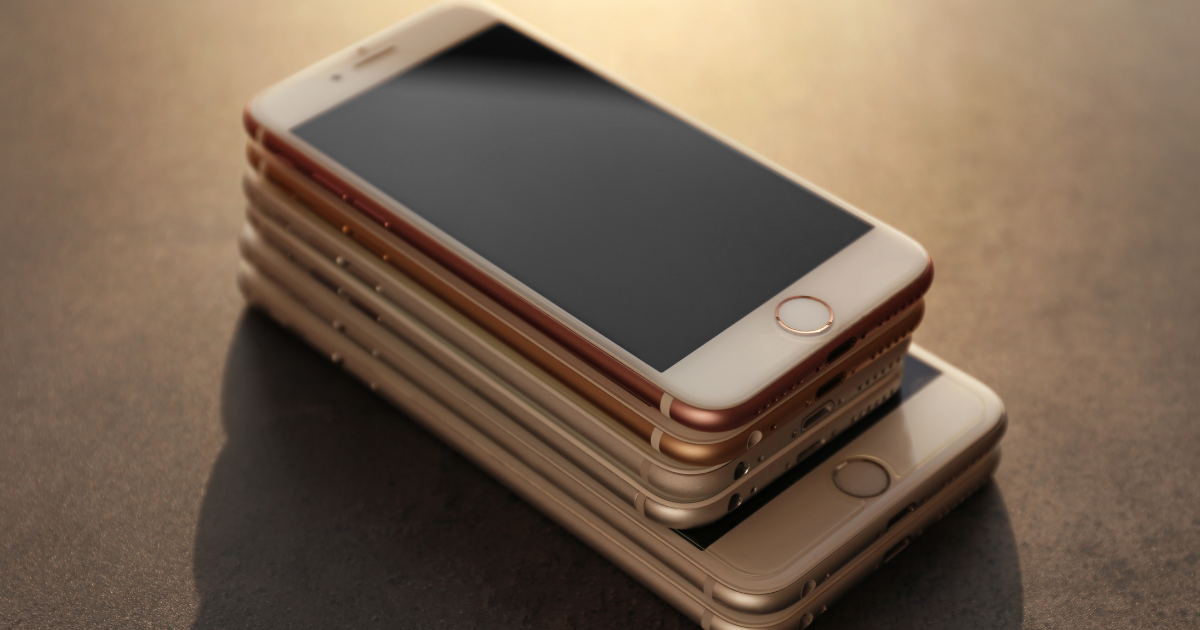
The smartphones businesses issued in 2016 were impressive for their time. The iPhone 7 had just launched, Samsung’s Galaxy S7 was one of the leading Android devices, and 4G was becoming widely available across the UK. While these devices transformed mobile working, they offered only a peak of what was to come.
Fast forward to today and smartphones have become powerful business tools. Modern iPhone and Samsung Galaxy devices offer exceptional battery life, advanced security features, AI-powered productivity tools and cameras capable of replacing dedicated equipment for many day-to-day business tasks. Managing fleets of devices has also become significantly easier through Mobile Device Management (MDM), allowing businesses to configure, secure and support devices remotely.
At the same time, connectivity has improved dramatically. The rollout of 5G has delivered faster speeds, lower latency and greater reliability, making cloud applications, video calls and mobile working smoother than ever before. Employees increasingly expect to access files, collaborate with colleagues and stay productive whether they’re in the office, travelling or working remotely.
Business Communications
Perhaps the biggest change over the last decade is the role business communications now play within an organisation. Ten years ago, telecoms often centred around providing phone lines and internet access. Today, communications are integrated into almost every aspect of how businesses operate.

Cloud VoIP systems have largely replaced traditional ISDN phone lines, offering greater flexibility, advanced features and easier scalability. Faster full fibre broadband has enabled businesses to embrace cloud software and data-heavy applications with confidence, while backup connectivity solutions help minimise disruption should an internet connection fail.
Cyber security has also become a much greater priority. As businesses rely more heavily on connected devices and cloud services, protecting company data is just as important as maintaining connectivity. Meanwhile, the growth of the Internet of Things (IoT) has introduced new opportunities for businesses to monitor equipment remotely, manage assets, track vehicles and automate processes through connected technology.
Final Thoughts
Looking back over the past ten years, it’s clear that business communications have undergone a massive transformation. From the rise of hybrid working and cloud communications to smarter devices, faster networks and connected technologies, the pace of change has been extraordinary.
As we at The One Solution celebrates our 10th birthday, we’re proud to have supported businesses through each stage of that journey. While the technology will undoubtedly continue to evolve over the next decade, our commitment remains the same: providing honest advice, tailored solutions and dependable support to help businesses communicate, whatever the future brings.
If you’re reviewing your business communications or planning for the future, our team would be happy to help. Get in touch for a no-obligation discussion via our contact form or call us on 0330 094 5545.